
Do Chaplains Need a Government-Issued License in the United States?
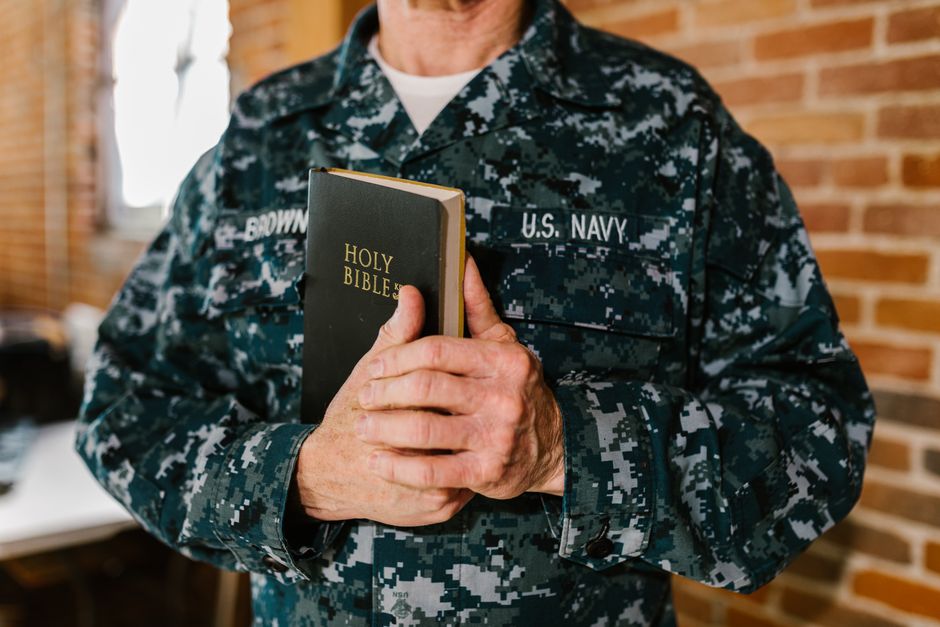
In the United States, chaplains generally do not need a government-issued occupational license simply to use the title “chaplain.” A license is a government credential that grants legal authority to work in an occupation; certification is a nongovernmental professional credential. Employers, faith groups, and specific service branches can still require education, endorsement, Clinical Pastoral Education, experience, or board certification for particular jobs.
Do you need a state license to call yourself a chaplain?
No general state license requirement to use the title “chaplain” is established by the sources in this guide. The key distinction is between permission to use a title and permission to qualify for a particular job.
The U.S. Bureau of Labor Statistics defines a license as a credential issued by a government agency that gives legal authority to work in an occupation. It distinguishes that from professional certification, which a nongovernmental organization awards and which is not itself legally required to work. The BLS also says employers may require a license or certification, and requirements can vary by state, employer, or job.
That distinction matters for chaplaincy. The absence of a general title license does not mean every person can meet the requirements of every chaplain position. A hospital, government agency, military department, or faith group can set qualifications for the role it controls.
The VA offers a clear example. Its ecclesiastical endorsement guidance says endorsement is a condition of employment as a VA chaplain under 38 C.F.R. § 17.655. That is a job condition, not a nationwide license for anyone who uses the chaplain title.
Is chaplain certification the same as a license?
No. Chaplain certification is a professional credential awarded by a certifying organization; a license is issued by government and carries legal authority to work in an occupation.
The Board of Chaplaincy Certification, Inc. (BCCI) awards Board Certified Chaplain (BCC) and Associate Certified Chaplain (ACC) credentials through its certification process. These are professional credentials, not government licenses. They demonstrate that an applicant has met the certifier’s standards; they do not create a general legal permission to practice chaplaincy.
BCCI’s standards show how substantial certification can be. BCC applicants need 72 graduate semester hours, faith-group endorsement or recognition, four CPE units, at least 2,000 hours of chaplain work or volunteer experience after completing the required CPE, and demonstrated professional competence. ACC applicants need 48 graduate semester hours, endorsement or recognition, two CPE units, at least 2,000 hours of relevant experience, and demonstrated competence.
BCCI says documented volunteer chaplain experience can count toward the experience requirement, while parochial ministry hours do not. This is a certifier’s rule, not a government licensing rule. A hiring organization can decide whether a BCC or ACC credential is required, preferred, or not part of its criteria.
Denominational or ecclesiastical endorsement is separate again. It comes from a religious endorsing authority and reflects the relationship between the applicant and that faith group. For VA employment, the endorsement must be active and dated within the past 12 months, and it must come from the official national endorsing authority of the applicant’s faith group or denomination.
Can I work as a hospital chaplain without board certification?
Yes, some chaplain jobs use requirements that do not list board certification as a condition, but a particular employer can require it. The available sources do not establish one rule for every hospital, so applicants need to check the specific job posting and hiring authority.
The VA’s published qualifications for full-time and part-time chaplain applicants typically include a Master of Divinity or equivalent, an ecclesiastical endorsement dated within 12 months, and at least four units of Clinical Pastoral Education. The VA also says contract and fee-based chaplains must meet the same qualification requirements as full-time and part-time chaplains. Its list does not state BCCI board certification as one of those typical qualifications.
That is a useful distinction: CPE, endorsement, and board certification are related parts of professional preparation, but they are not interchangeable. CPE is clinical pastoral training. Endorsement is approval or recognition from a faith group. Certification is a professional credential awarded by an organization such as BCCI. An employer’s requirements determine which of these are needed for a given post.
Military chaplain appointments have their own rules. Department of Defense Instruction 1304.28 establishes educational and ecclesiastical requirements for appointing chaplains in the Military Departments. It requires endorsement from a qualified religious endorsing organization and, for active-component appointments, at least two years of religious ministry experience. Reserve and National Guard experience requirements are set by the relevant Military Department.
The instruction also specifies a baccalaureate degree with at least 120 semester hours and a qualifying post-baccalaureate graduate degree requiring at least 72 semester hours of graduate-level work. Those are military appointment qualifications. They should not be read as a universal state license rule or as requirements for every volunteer or hospital position.
Frequently Asked Questions
Who sets the requirements for chaplains in hospitals, prisons, or the military?
The employer or appointing authority sets job requirements. The Department of Defense sets educational and ecclesiastical requirements for military chaplain appointments, while the VA publishes qualifications for its chaplain roles. Faith-group endorsing bodies also determine whether they endorse or recognize a person for service.
Do chaplain requirements vary by state or employer?
Yes. The Bureau of Labor Statistics says licensing and certification requirements can differ by state, employer, or job. For chaplain roles, the supplied sources specify requirements for the VA and military but do not provide a state-by-state survey covering every employer or setting.
What education and training do employers usually expect from chaplains?
Requirements depend on the role. The VA typically expects a Master of Divinity or equivalent and at least four units of Clinical Pastoral Education, while military appointments have specified degree and endorsement requirements. BCCI certification has separate education, CPE, experience, endorsement or recognition, and competence requirements.
Check the requirements before applying
Start with the specific job announcement or employer qualification page. Confirm whether the role requires a degree, CPE units, endorsement, experience, or board certification, and ask whether certification is mandatory or preferred.
Then verify endorsement rules with the relevant faith-group authority. For VA roles, check that the endorsement is active, from the official national endorsing authority, and dated within the required 12-month window. For military roles, review the applicable Department of Defense and Military Department requirements. For certification, compare your education, CPE, and qualifying experience with BCCI’s current criteria.
The word “chaplain” names a kind of service. The job requirements name the path into a particular post.
Sources

How Can I Tell If a Christian Ministry Uses Donations Responsibly?
Learn how to review a ministry’s finances, governance, gift restrictions, donor-advised fund grants, and tax-deductibility before donating.

How Do I Get Faith-Group Endorsement as a Chaplain?
Learn how chaplain endorsement works, how to request it, and what to do when your faith group has no formal endorsing process.