
Compare East Coast Boarding Schools by Cost, Aid, and Fit
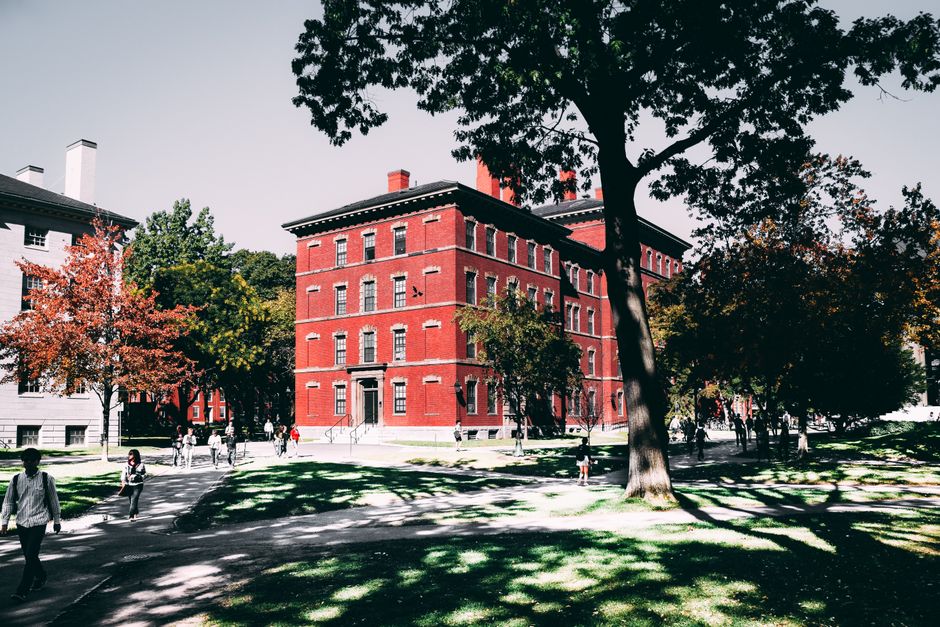
Compare East Coast boarding schools by the full yearly bill, aid policy, academic offerings, student support, and daily setting—not tuition or reputation alone. NAIS reports average 2024–25 boarding tuition and fees of $58,483 for five-day boarding and $71,715 for seven-day boarding. School-specific policies differ: published examples range from tuition assistance and bundled costs to additional aid for books, travel, and health insurance.
Which East Coast boarding schools offer strong academics without the highest tuition?
Families seeking strong academics without assuming the highest tuition is the best fit should compare published academic details, class size, aid, and what each school includes in its price. The available sources do not provide a like-for-like list of East Coast schools ranked by academic strength and tuition, so a definitive low-cost ranking would overstate the evidence.
Tabor Academy offers a useful example of the details to compare. Its 2025–26 profile reports an average class size of 12, a 7:1 student/faculty ratio, and Advanced Topics courses in calculus, computer science, marine science, chemistry, and environmental science. It also reports that 35% of students receive financial aid. Those facts help families frame questions about classroom access and academic breadth, but they do not establish a tuition comparison with other schools.
Location shapes the fit, too. Tabor is in Marion, Massachusetts, on Sippican Harbor. Compare that setting with the locations and campus environments of schools in the Mid-Atlantic, then ask what daily life looks like beyond the brochure: how students spend time outside class, how activities fit around study, and how often a student can travel home.
Use the same checklist at every school. Compare class size and student/faculty ratio where published, the courses your student wants, the college counseling office, financial aid, campus setting, and student support. A school’s own profile can describe its strengths; family comparison turns those details into a decision.
How much does boarding school cost, and what expenses are added to tuition?
Boarding school costs vary by school and boarding schedule; tuition and fees alone do not show what a family will pay for the year. NAIS’s 2024–25 facts at a glance report average tuition and fees of $58,483 for five-day boarding and $71,715 for seven-day boarding among member schools. The median seven-day figures were $71,630 for grade 9 and $71,136 for grade 12. These are benchmarks, not price quotes for a specific school.
Ask each admissions office for a written account of included costs and likely additions. Books, supplies, travel, personal spending, health insurance, and activities can be treated differently. The Hotchkiss School reports more than $596,000 in non-tuition support for such expenses as books, supplies, personal spending, travel assistance, and health insurance. This is support offered through its aid program; it does not mean every expense is included in every family’s tuition.
Woodberry Forest School lists 2025–26 tuition at $72,300, including room, board, and school activities. It says travel and books are essentially the only necessary additional costs. That kind of bundled-cost description is useful to compare with a school whose published tuition does not spell out the same inclusions.
Use this comparison table as a starting point. The figures are published by different schools for different years and describe different things, so they are not a direct price ranking.
| Option | Who it suits | Cost or aid detail | Key limitation |
|---|---|---|---|
| NAIS member-school benchmark | Families setting a sector-wide reference point | 2024–25 average: $58,483 for five-day boarding; $71,715 for seven-day boarding | Sector averages, not an individual school’s bill; included services and added costs vary |
| Woodberry Forest School | Families comparing a published bundled-cost example and need-based aid | 2025–26 tuition: $72,300, including room, board, and school activities | Travel and books are additional; this is one school’s published price |
| Hotchkiss School | Families comparing a school that reports grant aid and non-tuition support | $13.9 million in financial aid; non-tuition support includes books, supplies, personal spending, travel assistance, and health insurance | Tuition price not published in the provided information |
| Tabor Academy | Families comparing class size, academic options, and aid participation | 35% of students receive aid; average class size of 12 | Tuition price not published in the provided information |
Do boarding schools offer financial aid to middle-income families?
Yes, the published examples show that boarding-school aid can reach families across income brackets, including middle-income families, though eligibility and award amounts depend on each school’s policy and a family’s demonstrated need. Ask how the school calculates need, what the award covers, and whether it is a grant or a loan.
NAIS reports a median of 26.2% of students receiving financial aid at member schools and a median grant of $21,722 per aided student. Those medians offer context, not a promise of an award at any one school.
School policies show why a family should look beyond a single sector figure. Woodberry Forest says 46% of its students received need-based tuition assistance in recent years, with an average grant of $50,140. The school reports awarding about $8.98 million in annual assistance and says grants can support middle-income families. Its aid is need-based, not merit-based, and families reapply annually.
Hotchkiss reports $13.9 million in aid, with 33% of students receiving aid and 27% of aid recipients attending tuition-free. It says awards meet 100% of demonstrated need and are grants, not loans; its published income breakdown includes families in the $150,001–$199,999 and $200,000–$249,999 brackets. These figures describe Hotchkiss’s program, not a guaranteed result for another family. The school states, “All families are eligible to apply.”
Ask what an award includes. A lower tuition grant can leave meaningful expenses outside the package; a program with non-tuition support may address some of them. Confirm how aid is renewed, which documents are required, and whether travel or health costs are covered in your circumstances.
Frequently Asked Questions
How can families compare schools in New England with those in the Mid-Atlantic?
Use the same questions for each school: full cost, aid coverage, academic options, counseling access, health services, and campus setting. Tabor Academy’s profile describes a school in Marion, Massachusetts, on Sippican Harbor; compare a school’s published location and programs with the travel and environment that suit your family.
What support is available for students who are homesick or struggling socially?
Ask who checks in with students, how they can reach counselors and health staff, and how the school handles referrals and family communication. Fessenden describes support from a school psychologist and counselor, student groups, and extended health-center hours for boarding students. Services vary by school, so verify the arrangements directly.
How should families evaluate a boarding school’s college counseling and extracurriculars?
Ask how students access college counselors, what the counseling office does, and which academic and extracurricular options students can pursue. Tabor’s profile lists multiple college counseling leaders and Advanced Topics courses in fields including computer science, marine science, and environmental science. Compare the published offerings with the access and activities your student is seeking.
Sources

Choose an Engineering University for Accreditation, Flexibility, and Cost
Compare engineering programs by accreditation, net price, curriculum flexibility, hands-on learning, and the details schools publish about career outcomes.

Are Adult English Classes Free, and How Do You Enroll?
Find free or low-cost adult English classes, understand enrollment and placement, and compare local, online, and flexible schedule options.