
Should You Live With a Humanoid Robot Companion?
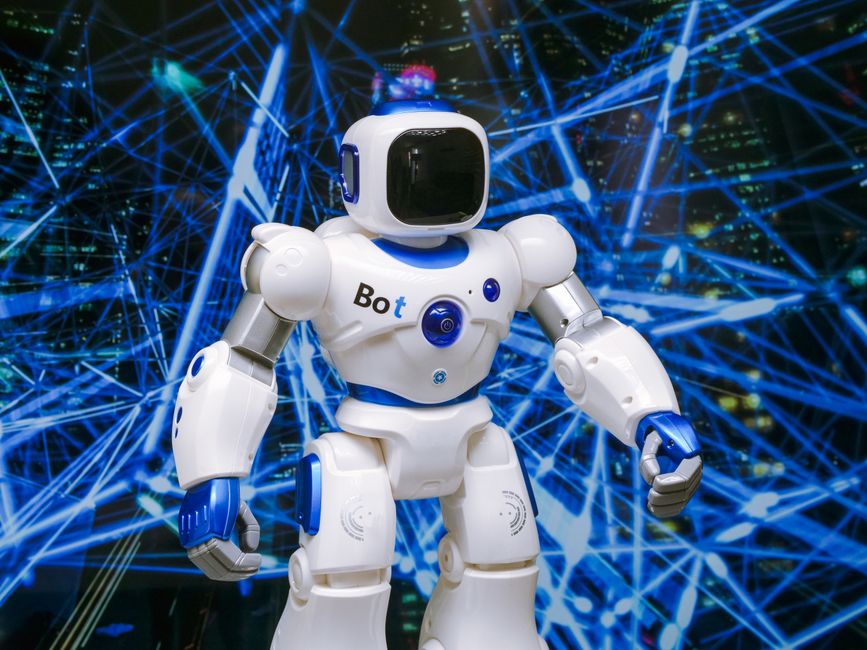
A humanoid robot can provide reminders, help connect you with people, and offer structured interaction, but current evidence does not show that it can replace human companionship or independently understand your feelings. Before relying on one, weigh the support it provides against its limits, the information it collects, and how much control you have over its cameras, microphones, and stored data.
Would a humanoid robot make a good companion for someone living alone?
A humanoid robot may be a useful companion for someone living alone when it helps sustain routines or connect them with other people, but it is not a proven substitute for human contact. The practical question is what job you want it to do: remind you about tasks, make communication easier, or provide interaction when people are not available.
A 2025 randomized trial in JMIR Aging assigned 73 adults aged 65 or older who lived alone and experienced loneliness to intervention and control groups; 68 completed the study. Over four weeks, a humanoid social communication robot facilitated conversations with human operators and family members and gave daily-task reminders. Loneliness scores decreased more in the intervention group than in the control group, and psychological well-being also improved.
That result has a specific boundary: the robot helped participants communicate with people. It does not establish that an autonomous humanoid can take the place of friends, family, or other human relationships. If you have limited mobility, a device that supports calls and reminders could make routine contact easier; judge the device by those concrete functions rather than by its human-like appearance.
Evidence across studies is not uniformly strong. A systematic review in The Gerontologist identified 13 articles from 11 randomized trials. Its meta-analysis did not find statistically significant effects on agitation, anxiety, or quality of life, although the review’s narrative synthesis reported possible improvements in engagement, interaction, stress indicators, and loneliness. The authors also noted limitations in study quality and called for larger, more rigorous research.
Use a simple test before committing: list the tasks you want help with, then check whether the device actually performs them and whether those tasks involve human contact. “Remind me to take my medication” is a clear function to evaluate. “Make me feel less alone” is a broader goal, and the evidence does not justify treating a robot as the complete answer.
Can a robot understand emotions or only imitate empathy?
A robot can use emotional cues to adapt its responses, but that is not the same as feeling empathy or reliably understanding what is happening to you. The useful distinction is between a system’s response and the human experience of being understood.
A scoping review in the International Journal of Social Robotics examined 11 empirical studies selected from 674 records across seven databases. In those studies, emotion understanding was mainly used to help robots adapt their responses and sustain engagement. The review also identified unresolved questions: researchers still need clearer ways to define and measure emotion understanding and to assess how accuracy affects long-term interaction.
A review in the International Journal of Environmental Research and Public Health describes empathy in human-robot interaction as recognizing a person’s emotional state, thoughts, or situation and responding in a way intended to be received positively. It also makes a practical limit clear: emotion recognition depends on cues a person expresses. If your cues are unclear or absent, an accurate empathic response cannot be assured.
So set expectations around what the robot can do. It might notice a cue and change its tone or offer a prompt; that does not mean it knows why you are upset. If a response feels wrong, a useful correction is: “I’m frustrated because the appointment was cancelled. Please help me decide what to do next.” That gives the system clearer information and puts the decision back in your hands.
Would I feel safe leaving a humanoid robot alone in my home?
You can assess that risk only by checking what the specific robot senses, stores, shares, and lets you delete. A familiar-looking body does not make a connected device’s microphone, camera, or account controls irrelevant.
The Federal Trade Commission’s complaint about Amazon’s Alexa describes collection of voice recordings, transcripts, and geolocation information by an internet-connected voice assistant. The complaint alleged that default settings retained recordings and transcripts indefinitely and that some information was not deleted after users requested deletion. These are allegations described in that complaint, not a finding about every companion product. The product’s practices can vary, so read its own disclosures and settings.
Before leaving a device on at home, check four controls: when its microphone and camera are active, how long recordings or transcripts are retained, how to delete stored information, and whether data is used or shared beyond the functions you want. The FTC complaint illustrates why those questions matter; it does not tell you how another company’s device behaves.
Make the decision practical. If you cannot find a clear answer about recording or deletion, treat that as an unanswered question before putting the device in a bedroom or other private space. If the device has a physical mute or camera shutter, learn how it works and use it when sensing is unnecessary. A home companion should fit the household’s privacy expectations, including the expectations of other people who live there or visit.
Frequently Asked Questions
What personal information could a robot companion collect?
Depending on its features, a connected companion could collect voice recordings, transcripts, or location information. The FTC complaint about Alexa describes these types of data and alleged concerns about retention and deletion. Check the specific product’s settings and disclosures before using it.
Could relying on a robot companion make loneliness worse?
The available sources do not establish that relying on a robot makes loneliness worse. They also do not show that a robot can replace human companionship. Treat it as a possible aid for routines or connection, and keep contact with people in the plan.
Before choosing a device, write down the support you want, the people you want to stay connected with, and the privacy controls you require. Then check whether the robot can meet those needs in practice—and whether its limits are ones you are comfortable living with.
Sources

Can AIOps Cut Alert Overload and Speed Incident Response?
Evaluate whether AIOps can reduce alert overload, speed incident response, and integrate with your monitoring and ticketing systems.

Choose AI Study Tools That Turn Notes Into Better Revision
Compare AI study tools for explanations, flashcards, and quizzes—and learn a practical way to verify answers before exam revision.