
Choose a Wearable That Fits Your Training, Phone, and Routine
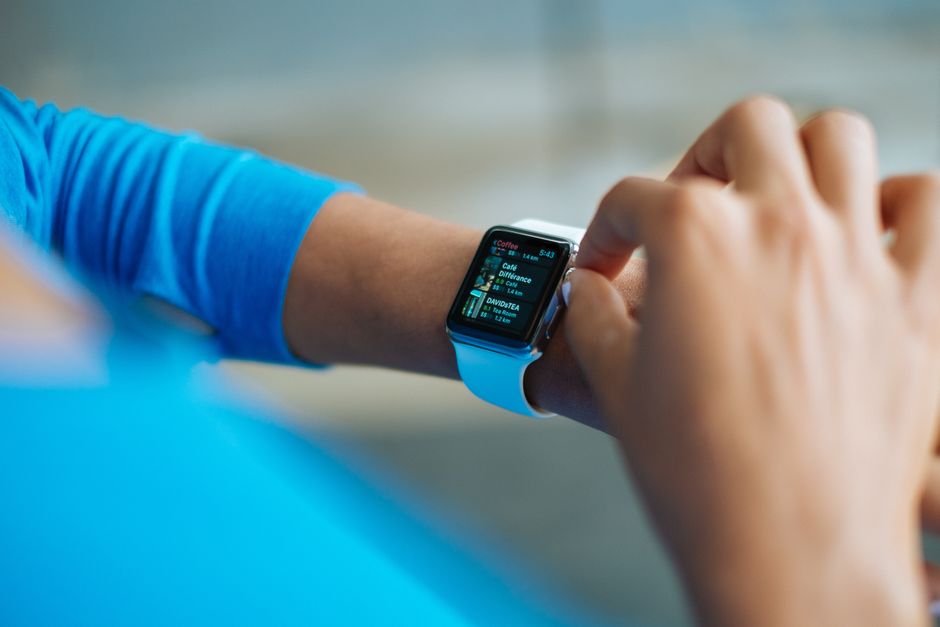
Choose a wearable by matching its strengths to your routine: a basic tracker for steps, a sport watch for GPS-led training and longer battery life, or a smartwatch for everyday apps and phone features. Check phone compatibility and the cost of paid features before buying. For sleep tracking, compare battery life with your charging habits, and treat sleep stages as estimates rather than clinical results.
What types of wearable devices are available besides smartwatches?
Besides smartwatches, shoppers can choose simple activity trackers, sport-focused watches, smart rings, and wristbands. The useful distinction is what each device is built to track: daily movement, structured exercise, or a small set of health and sleep trends.
A basic tracker can cover everyday activity. Google lists steps and distance tracking in the free Fitbit app. This can suit someone who wants a record of movement without paying for a broad app library. Paid Fitbit Premium adds a full workout and audio-session library and more detailed personalized insights, so separate the device’s core tracking from optional services.
Sport watches add tools for training. Garmin’s running-watch comparison lists built-in GPS, pace and distance tracking, heart-rate monitoring, training status, and sleep tracking among available features. A smart ring or wristband can also be a wearable option: a validation study included a smart ring and a wristband alongside a smartwatch and sport watches. That study assessed sleep, heart rate, and heart-rate variability; it does not establish that every ring or band offers the same features.
Think in jobs, not labels. If phone-linked convenience and daily apps matter most, a smartwatch may fit. If the priority is recording outdoor runs and training, a sport watch gives those tools a central place. If the goal is steps and distance, a simpler tracker may cover the need with fewer extras.
Should I get a fitness tracker or a smartwatch for running?
For running, choose a sport-focused watch when GPS, pace, distance, and training tools matter; choose a smartwatch when running is one part of a day built around apps and phone features. A fitness tracker suits a simpler goal, such as keeping an eye on steps and activity.
Garmin lists built-in GPS, pace and distance tracking, heart-rate monitoring, and training status among features available across its running-watch comparison. It also lists free Garmin Coach training plans. Those features make a sport watch a direct fit for runners who want their workout data and training guidance on the device.
A smartwatch can cover everyday functions alongside exercise, but the battery trade-off deserves attention. Apple says battery life varies with use, cellular coverage, and configuration; its test includes workouts, notifications, app use, and phone connectivity. Before buying, map the features you will enable during a run and the rest of the day. A specification measured in one mode does not guarantee the same runtime with GPS or other features in use.
Phone fit is part of the running decision. Garmin identifies the compared watches as compatible with iPhone and Android. Apple’s support table sets model-specific iPhone and software requirements; for example, its listed Series 10, Series 9, and Ultra 2 models require iPhone XS or later, with minimum iOS versions varying by model. Check the exact device against the phone already in your pocket.
Wearable metrics also need a sensible reading. A device can offer a convenient record of heart rate and activity, but the research on consumer wearables shows that some measured outputs are estimates, not substitutes for clinical measurement. Use the watch to follow patterns over time, rather than treating a single reading as a diagnosis.
Which wearable has battery life long enough for sleep tracking?
A wearable has enough battery for sleep tracking when its runtime under your planned settings covers both the day’s activity and the night, with a charging routine that leaves it on your wrist at bedtime. Compare published estimates for the exact model, then account for workouts, GPS, cellular use, and other enabled features.
Published figures show how wide the range can be. Garmin lists smartwatch-mode estimates from up to 8 days for the Venu X1 to up to 36 days for the Enduro 3, and says actual battery life varies by model and use. Apple reports up to 50 hours for Apple Watch Ultra 4 under its multi-day battery test, which includes 12 hours of sleep tracking. These are manufacturer estimates measured under stated conditions, not a promise that every user will get the same runtime.
Make the comparison practical. If overnight tracking is essential, choose a schedule that leaves time to charge outside the hours you want to record. If your daily routine includes long workouts or cellular use, include those demands when judging a battery estimate. A longer published maximum helps only if the device’s shape, features, and phone requirements also suit you.
Sleep data has limits. A meta-analysis in the Journal of Clinical Sleep Medicine combined 24 studies with 798 participants and compared consumer wrist trackers with polysomnography. On average, trackers differed by about 16.9 minutes for total sleep time, 4.7 percentage points for sleep efficiency, 2.6 minutes for sleep latency, and 13.3 minutes for wake after sleep onset. The authors said trackers can help follow general sleep patterns but are less reliable for key sleep parameters.
A separate validation study by Miller, Sargent, and Roach compared six devices with polysomnography and electrocardiography in 53 adults. Sleep-versus-wake agreement was 86%–89%, while agreement for specific sleep-stage-or-wake classification was 50%–65%. That difference matters: broad patterns are more useful than precise claims about how much time you spent in each sleep stage.
Options at a glance
| Option | Who it suits | Cost | Key limitation |
|---|---|---|---|
| Free Fitbit app activity tracking | People tracking steps and distance | Free app features; device cost not published here | Full workout and audio-session library and more detailed personalized insights are Premium extras |
| Garmin running watch | Runners seeking GPS, pace, distance, and training features | Not published | Battery varies by model and use; listed smartwatch-mode estimates span up to 8–36 days |
| Apple Watch Ultra 4 | People who want Apple Watch features and sleep tracking in the stated battery test | Not published | Up to 50 hours is a test estimate; actual battery life varies with use, coverage, and configuration |
| Fitbit Premium | People who want the additional workout library and personalized insights | From $9.99; eligible new devices may include a six-month trial | Subscription renews at the stated plan price after the trial unless canceled |
Frequently Asked Questions
How accurate are wrist wearables for heart rate and sleep?
Accuracy depends on the device and metric. A study of six devices found 86%–89% agreement for sleep versus wake, but only 50%–65% agreement for specific sleep-stage-or-wake classification. A meta-analysis also found average differences from polysomnography in several sleep measures, so use wearable readings for general trends rather than diagnosis.
Do wearable devices work with both iPhone and Android?
Compatibility depends on the product. Garmin says its compared running watches work with iPhone and Android. Apple publishes model-specific iPhone and software requirements for Apple Watch, so check the compatibility table against your current phone before buying.
Do I need a subscription to get useful health data from a wearable?
Not always. Google lists steps and distance in the free Fitbit app, while Premium adds features such as the full workout and audio-session library and more detailed personalized insights. Compare the free features with the paid extras you would use before counting a subscription in the ongoing cost.
The best wearable is the one whose core features match the work you ask of it. Battery life, phone fit, and paid extras determine whether those features stay useful in your actual routine.
Sources
- Journal of Clinical Sleep Medicine — Performance of consumer wrist-worn sleep tracking devices compared to polysomnography: a meta-analysis
- Miller, Sargent and Roach — A Validation of Six Wearable Devices for Estimating Sleep, Heart Rate and Heart Rate Variability in Healthy Adults
- Garmin — Running Watch Comparison
- Apple — Apple Watch Battery
- Apple Support — Apple Watch and iPhone compatibility
- Google Store — Fitbit Premium

How Do I Check a Used Phone Before Buying It?
Inspect a used phone, check its IMEI and locks, assess battery health, and weigh seller protections before paying.