
How Can I Lose Belly Fat?
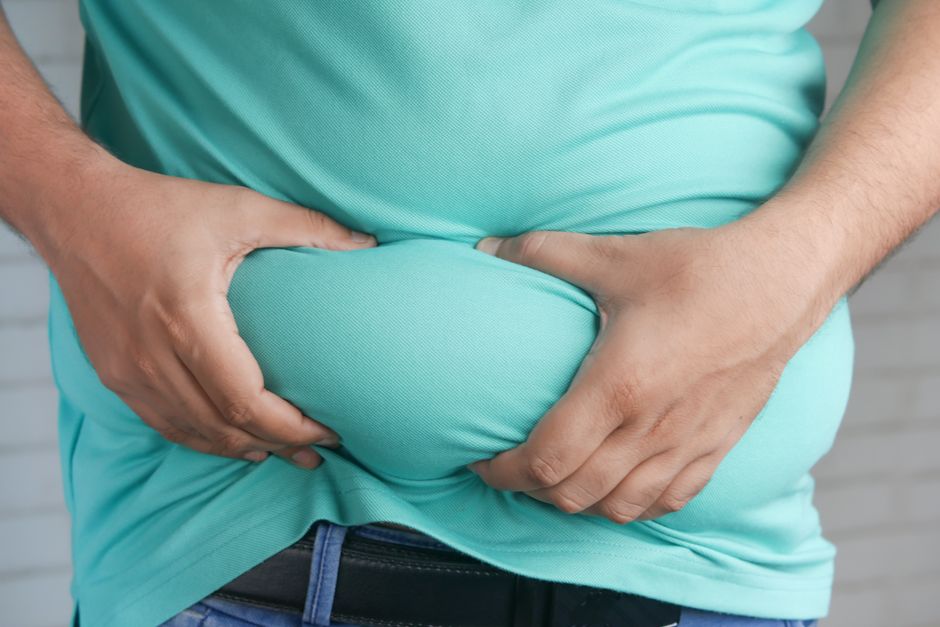
You cannot choose where your body loses fat, so the practical route to a smaller waist is a sustainable overall fat-loss routine: create a manageable calorie deficit, increase everyday movement, and include strength training. Ab exercises can build abdominal endurance, but they do not selectively burn belly fat. Track habits and waist measurements over time, and use gradual progress—not a quick fix—as the target.
What should I do first if I need to lose belly fat?
Start by building a repeatable routine around food, movement, and strength work; belly-fat loss follows overall fat loss rather than a special waist-focused trick. First, notice your current patterns. The CDC recommends tracking nutrition, physical activity, sleep, and stress to identify manageable changes, then setting specific, realistic short-term goals.
Make the first adjustment small enough to repeat: plan a more filling meal, take a walk that fits your day, or schedule a strength session. The point is not to change everything at once. A simple weekly check-in can reveal which action is actually sticking and which one needs to be made easier.
The CDC says gradual weight loss of about 1–2 pounds per week is more likely to be maintained than faster loss (CDC, 2024). That is a general benchmark, not a deadline or promise. The CDC also notes that losing 5% of starting weight—for example, 10 pounds for someone weighing 200 pounds—can improve indicators such as blood pressure, cholesterol, and blood sugar (CDC, 2024). Those figures describe potential health benefits, not a requirement for everyone.
Use a practical sequence: identify one food or drink change that reduces calories without making the plan miserable; add movement you can keep doing; and include strength training. If hunger, schedule, or energy makes the plan hard to sustain, adjust the plan rather than treating difficulty as a character flaw.
Can I lose belly fat with ab exercises alone?
No: abdominal exercises strengthen the muscles, but they do not make the body selectively burn fat from the abdomen. In a randomized study of 24 sedentary adults, six weeks of frequent abdominal exercises improved curl-up performance but did not significantly reduce body weight, body-fat percentage, abdominal circumference, or abdominal skinfold measures (Journal of Strength and Conditioning Research, 2011).
That distinction matters. A stronger midsection can be a worthwhile training result even when the waist measurement has not changed. Sit-ups and other core movements train muscle; overall energy balance and activity are the levers that support fat loss across the body.
A systematic review and meta-analysis of 43 trials involving 3,552 adults found aerobic, resistance, and combined exercise were each associated with reductions in subcutaneous abdominal fat compared with control groups (Advances in Nutrition, 2020). The findings support a broader routine, not a promise that any one exercise will target a specific area. Combine aerobic activity with resistance work and let the waist respond as part of overall change.
If you enjoy core exercises, keep them in your routine for strength and conditioning. Pair them with full-body strength movements and sustainable activity, rather than adding endless abdominal repetitions in expectation of local fat loss.
What kind of eating plan helps reduce belly fat without extreme dieting?
The best eating plan for fat loss is one you can maintain over time while reducing calories from foods and beverages. NIDDK states that sustainable eating is key to weight loss (NIDDK, 2024). The practical test is not whether a plan sounds strict; it is whether it fits your routine well enough to repeat.
NIDDK’s summary of the Dietary Guidelines emphasizes vegetables, whole fruits, whole grains, and varied protein foods, while limiting added sugars and saturated fat to less than 10% of daily calories each (NIDDK, 2024). Build meals around foods from those groups and make changes to portions or high-calorie extras that feel manageable. There is no need to label a whole food group as forbidden to follow that general guidance.
When hunger becomes a barrier, look at the meal pattern before cutting further. Consider whether meals include satisfying foods, whether your schedule leaves you overly hungry, and whether drinks or frequent extras are adding calories without much fullness. Track briefly if it helps identify a pattern; if detailed tracking is stressful or inconsistent, use a simpler routine such as planning meals and checking in on habits.
Progress can slow as body weight decreases: NIDDK explains that metabolism slows during weight loss and the body needs fewer calories at a lower weight (NIDDK, 2024). A plateau does not mean the plan is broken. Review what is sustainable, make a modest adjustment if needed, and avoid responding with an extreme diet that is hard to maintain.
How much walking or cardio should I do to lose stomach fat?
Use 150 minutes per week of moderate-intensity aerobic activity, such as brisk walking, as an adult health baseline, and include muscle-strengthening activity on at least two days per week (CDC, 2024). This is general activity guidance, not a guaranteed amount for belly-fat loss; individual weight-loss needs vary, particularly when food and drink intake are not adjusted.
The CDC explains that combining calories used through activity with reducing calories eaten creates a calorie deficit associated with weight loss, and notes most weight loss occurs by decreasing calories (CDC, 2024). Walking is useful because it can be built into ordinary days, but it works best as one part of the routine, not as a license to ignore eating patterns.
NIDDK also describes 150 minutes of moderate aerobic activity and muscle strengthening on two or more days as adult guidance, and notes 300 minutes per week may help prevent weight regain (NIDDK, 2024). More activity is not automatically the right next step for every person; schedule, recovery, and food intake affect what is workable. Start from your current level and add manageable bouts of walking until the weekly pattern is consistent.
| Routine element | Evidence-based reference | How to use it |
|---|---|---|
| Moderate aerobic activity | At least 150 minutes per week for adults (CDC, 2024) | Spread brisk walks across the week in sessions that fit your schedule. |
| Muscle strengthening | At least 2 days per week for adults (CDC, 2024) | Choose repeatable sessions that work major muscle groups. |
| Weight-loss pace | About 1–2 pounds per week is more likely to be maintained (CDC, 2024) | Treat this as a broad reference, not a required weekly result. |
When time is tight, protect consistency before chasing a perfect program. Short walks can add up toward a weekly activity pattern, while strength sessions can stay focused. If you already meet activity guidance but progress is not moving, review food and drink intake too; the CDC emphasizes that most weight loss comes from reducing calories.
Frequently Asked Questions
How can I tell whether my waist is shrinking if my weight fluctuates?
Measure your waist consistently and compare readings over time, rather than treating one weigh-in as a verdict. NIDDK identifies waist size as one measure to consider alongside BMI, which does not directly measure body fat.
Why does belly fat seem to be the last fat I lose?
Fat distribution and the order in which fat changes are individual; the provided sources do not establish a universal sequence. Keep assessing the overall trend instead of using one body area as the sole measure of progress.
How can I lose fat while keeping muscle and energy?
Use a sustainable eating plan and include muscle-strengthening activity rather than relying on severe restriction or cardio alone. CDC gradual-loss guidance and adult activity recommendations offer a practical framework, but the right plan varies by person.
For this week, choose one food habit to make more manageable, plan activity you can repeat, and record a consistent waist measurement. At the next check-in, ask which part of the routine was easiest to sustain—and build from there.
Sources
- Centers for Disease Control and Prevention: Losing Weight
- Centers for Disease Control and Prevention: Physical Activity
- National Institute of Diabetes and Digestive and Kidney Diseases: Eating and Physical Activity
- National Institute of Diabetes and Digestive and Kidney Diseases: Assessing Your Weight
- Journal of Strength and Conditioning Research via PubMed: Abdominal Exercise Study
- Advances in Nutrition systematic review and meta-analysis via PubMed
Disclaimer: This article is for general information only and is not medical advice. It is not a substitute for diagnosis or treatment by a qualified healthcare professional. Always speak to your doctor before acting on anything you read here.

Can You Preserve Muscle While Taking Wegovy or Zepbound?
What research says about lean-mass loss on semaglutide and tirzepatide, plus strength-training and protein strategies to discuss with your care team.

How Can Older Adults Improve Balance and Exercise Safely?
Learn supported balance drills, how often to practice, safe ways to progress, and when symptoms call for medical guidance.

Can Zumba Make Knee Pain Worse?
Learn how to adapt Zumba moves, choose footwear, and recognize when knee pain after class needs medical assessment.