
What Is an Electronic Engineering Bachelor Degree?
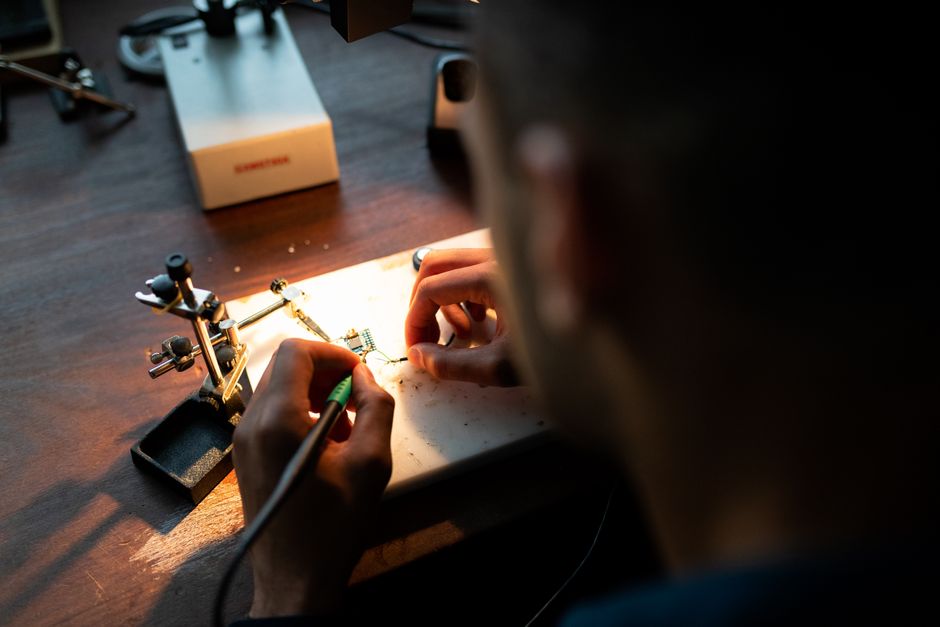
An electronic engineering bachelor degree combines mathematics and science with circuits, digital systems, programming, laboratory work, and a major design project. Programs commonly take four years, though duration varies by institution and study plan. Graduates can pursue roles in electronics and electrical engineering, while accreditation checks help confirm whether a specific program meets recognized engineering criteria.
What do you study in an electronic engineering bachelor degree?
You study foundational mathematics and science first, then use them to understand and design electronic systems. The ABET engineering criteria call for at least 30 semester credit hours in college-level mathematics and basic sciences, including suitable experimental experience, and at least 45 semester credit hours in engineering topics.
A representative four-year plan shows how the subjects build. Santa Clara University’s published electrical engineering plan includes Calculus I through IV, physics, chemistry, programming, and circuits, followed by differential equations, linear systems, electromagnetics, microprocessor design, and probability and statistics. Labs and a three-part senior design sequence connect the groundwork to applied design.
| Stage | Representative coursework | What it builds toward |
|---|---|---|
| Early study | Calculus, physics, chemistry, programming | Mathematical and scientific tools for engineering |
| Core engineering | Circuits, linear systems, electromagnetics, probability and statistics | Analysis of electronic systems and components |
| Advanced study | Microprocessor design, technical electives, labs | Focused work in areas such as embedded systems, communications, or integrated circuits |
| Final stage | Senior design project sequence | A major design experience applying earlier coursework and engineering standards under multiple constraints |
Course labels differ across institutions, and an electronic engineering program does not have to copy this exact plan. For electrical- and electronics-named engineering programs, ABET’s criteria include calculus, probability and statistics, science, and advanced mathematics such as differential equations, linear algebra, complex variables, and discrete mathematics. The criteria also require a culminating major engineering design experience.
The Bureau of Labor Statistics (BLS) names digital systems design, calculus, and electrical circuit theory among typical courses. Its description of classroom, laboratory, and field studies reflects a degree built around both ideas and practice. For more course examples, see What Do Electronic Engineering Courses Cover?
How difficult is the math in an electronics engineering degree?
The math is demanding because it is used to analyze, design, and troubleshoot equipment, not kept as a separate subject. BLS says engineers use calculus and other advanced mathematics in this work. ABET’s criteria add topics such as differential equations, linear algebra, complex variables, and discrete mathematics for electrical- and electronics-named engineering programs.
The sequence matters. Calculus supports later study in circuits and systems; probability and statistics help describe uncertain signals and system behavior. Advanced mathematics then gives students tools for more specialized engineering analysis. Santa Clara’s plan places Calculus I through IV before later courses such as differential equations and linear systems, a clear example of that progression.
Math is only one part of the workload. Labs ask students to connect calculations with observed system behavior, while design work asks them to apply technical knowledge within standards and multiple constraints. ABET requires appropriate experimental experience and a culminating design experience, so prospective students should examine course descriptions and lab requirements alongside the math list.
The common challenge is carrying concepts between settings: a formula, a circuit model, a lab result, and a design choice must fit together. A program’s published sequence can show where those demands meet. If you are comparing engineering majors, compare the actual required math, lab, and design courses rather than relying on the degree title alone.
How long does an electronic engineering bachelor degree take?
A representative plan spans four years. Santa Clara University’s published electrical engineering plan is organized across four years and sequences foundational math and science into core engineering subjects and a senior design project. That is a useful planning model, not a guarantee that every student or institution follows the same timeline.
Look at the prerequisites and order of required courses. A sequence that places calculus before advanced systems courses, for example, means later work depends on completing earlier material. Labs and multi-part design courses also need to fit into the schedule. The catalog and degree plan reveal these dependencies more clearly than a headline duration.
Delivery format affects logistics as well. ABET’s online-program search identifies programs evaluated as 100% online as of their most recent review, but programs absent from that list can still provide substantial online coursework. Ask the institution whether labs require campus visits, approved local facilities, or at-home work, and how those activities are supervised and assessed. The degree title alone does not explain how hands-on requirements are met.
What jobs can I get with an electronic engineering bachelor degree?
Graduates can pursue entry-level work in electrical and electronics engineering, with the best fit shaped by coursework, technical electives, and project experience. BLS says these roles typically require a bachelor’s degree in electrical engineering, electronics engineering, or a related engineering field. Its examples distinguish electrical engineers, who work on systems such as motors, communications equipment, and power generation, from electronics engineers, who design components and circuitry for products such as audio-visual equipment and radar or sonar systems.
Technical electives help show the direction a student has explored. Santa Clara lists options in RF and communications, power systems, integrated-circuit design, control systems, and digital and embedded systems. These areas connect coursework to different kinds of engineering work, though a course list alone does not guarantee a particular job or specialty.
BLS reported May 2025 median annual wages of $120,630 for electrical engineers and $130,220 for electronics engineers except computer. It projected overall employment for electrical and electronics engineers to grow 8% from 2025 to 2035. These figures describe occupational groups, not a guaranteed starting salary or outcome for each graduate.
To compare roles, match the work described by employers to the courses and projects in a program. Circuit and digital systems study, laboratory practice, and a substantial design project offer different evidence of preparation. An accredited degree can confirm that a program meets ABET criteria, but job fit still depends on the particular role and the skills it calls for.
Frequently Asked Questions
How is electronic engineering different from electrical engineering?
The fields overlap, but electronics engineering often focuses on components and circuitry in products such as audio-visual equipment and radar or sonar systems. Electrical engineering also covers broader systems such as motors, communications equipment, and power generation. Course names and emphasis vary by program.
How can I tell whether an electronics engineering program is ABET-accredited?
Search the exact program in ABET’s Accredited Program Search. Confirm the degree program, institution, location, accreditation commission, and dates in the result; an institution-wide accreditation claim does not establish that every program is accredited.
Can I complete an electronic engineering bachelor degree online?
Some ABET-accredited programs are evaluated as 100% online, while other programs offer substantial online coursework. ABET applies the same criteria regardless of delivery method. Ask each program how its lab requirements are completed, since engineering study includes experimental and laboratory work.
Sources
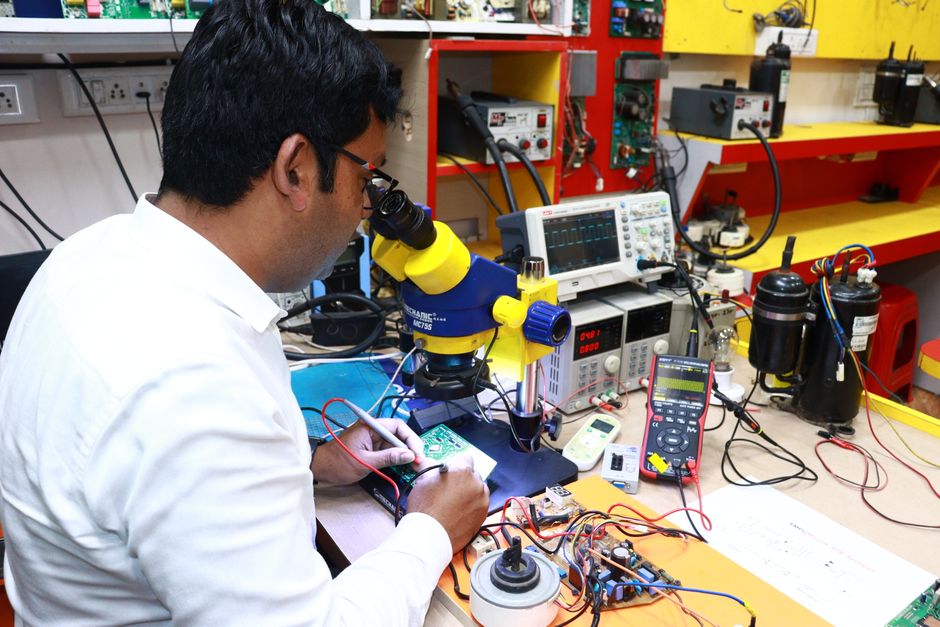
What Do Electronic Engineering Courses Cover?
Electronic engineering courses combine maths, physics, circuits, programming, labs, and specialist options that vary by university.
What Is the Electrical Engineering Degree Online Cost?
Online electrical engineering degree cost depends on credits, tuition, fees, materials, residency, transfer credits, and aid.
How Do I Start Learning Electrical Engineering?
Refresh core math, learn circuit laws, then pair each concept with a safe experiment and a focused project.

How Do I Get Faith-Group Endorsement as a Chaplain?
Learn how chaplain endorsement works, how to request it, and what to do when your faith group has no formal endorsing process.