
How Do You Choose an Electrical Engineering Bachelors Degree Online?
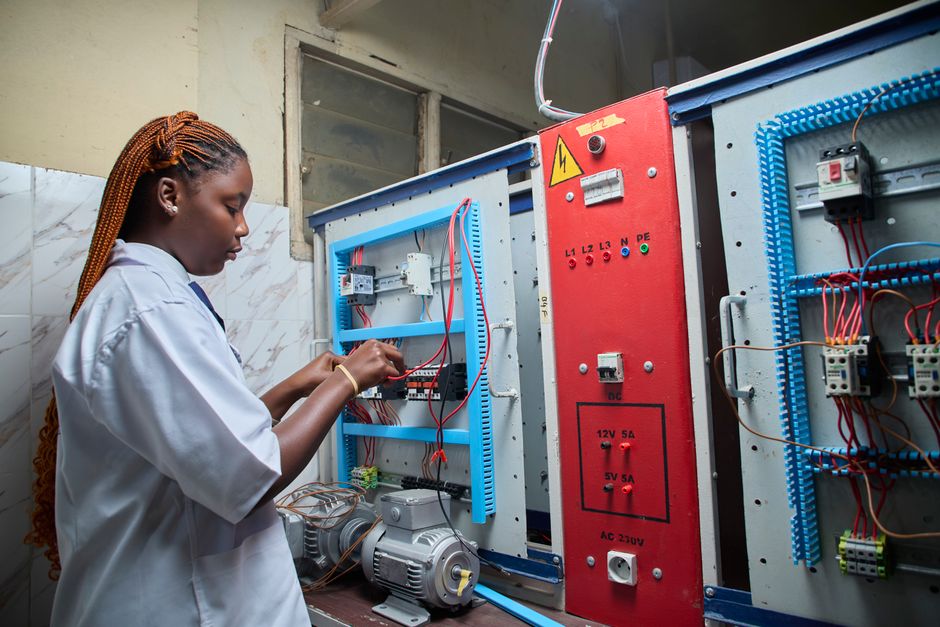
An electrical engineering bachelors degree online can fit around work, but compare the exact degree—not just the delivery label. Verify program-level ABET accreditation, ask how each lab and exam is completed and whether equipment adds cost, get transfer credits evaluated in writing, and calculate tuition, fees, and aid. Then check the course schedule and any campus requirements against your work calendar.
Can I earn an accredited bachelor's degree in electrical engineering entirely online?
Yes, an online format is possible, but “online” does not automatically mean every course activity happens at home. Check the program's actual course and lab requirements, and confirm whether a capstone or lab requires campus attendance.
ABET's online-program search lists programs it has evaluated as 100% online as of its latest review. ABET cautions that program content and definitions of online delivery can change, so use the listing as a starting point and verify current details with the institution. ABET says programs are assessed against the same criteria whether delivery is on-site, online, or mixed.
Also distinguish a full degree from a completion pathway. Arizona State University's online BSE in electrical engineering lists 120 credit hours and a two-semester, team-based capstone. Its course sequence includes shorter sessions in the first two years and longer upper-division courses. Those details show why a delivery label alone does not reveal the full time commitment or format. Compare the required course sequence and any in-person components before you apply.
For work compatibility, inspect the weekly deadlines, course lengths, and expected lab work—not just whether lectures are recorded. ASU says most of its online courses are asynchronous, with deadlines but no fixed login times. That flexibility can help with shift work, but asynchronous courses still have schedules and required work.
Which online electrical engineering programs are ABET accredited?
ABET's online search identifies programs designated 100% online, but you need to verify the specific electrical engineering degree and accreditation commission in the program details. The search includes Arizona State University among institutions with programs listed as 100% online; that institution-level result is not a substitute for checking the degree itself.
ABET accredits degree programs, not entire universities. Its Engineering Accreditation Commission accredits engineering bachelor's and master's programs. Arizona State University identifies its online BSE in electrical engineering as accredited by that commission, but applicants should confirm current status directly in ABET's listing and in program materials.
Accreditation matters because it provides a defined quality benchmark and can affect career pathways. ABET says graduates of accredited bachelor's-level engineering programs can pursue professional engineer registration in U.S. states and territories through applicable exams and documented experience. Requirements are state-specific, and ASU warns that completing its program may not meet every state's education requirements for licensure or certification. Check the rules for the state where you expect to seek registration.
Keep the distinction between engineering and engineering technology in view. ABET says engineering programs usually emphasize theory, conceptual design, and higher-level mathematics, while engineering technology programs emphasize application and implementation. Before enrolling, compare the exact degree name, curriculum, and accreditation entry. For a broader decision framework, see how to choose an engineering university for accreditation, flexibility, and cost.
How do online electrical engineering students complete lab courses?
Online electrical engineering labs can use home kits, digital tools, remote equipment, or a mix; ask the program which method each required course uses. A university's general online-learning page may describe tools available across several programs, not the exact kit or process for your degree.
ASU's account of its online electrical engineering program describes take-home lab kits and digital labs. It gives an example of a student assembling a circuit on a breadboard and observing signals with an oscilloscope. That is a concrete illustration of hands-on work delivered remotely, but it does not establish that every course uses the same equipment or method.
Before you enroll, send the department a short checklist: “Which courses require a lab kit, remote equipment, or campus attendance? What equipment must I supply, and are there additional charges? How are lab results submitted and assessed?” Ask separately about exams: whether they are proctored, what technology or location they require, and whether fees apply. The provided program sources do not specify universal exam arrangements or costs, so get course-specific answers rather than assuming.
ASU notes that online tools can include interactive simulations and home lab kits, and some programs require limited campus attendance for labs or capstones. Its guidance is general, so confirm the electrical engineering degree's own requirements. Add equipment, shipping, travel, and any stated assessment fees to your cost estimate before comparing offers.
Can I transfer community college credits into an online BSEE program?
Possibly, but acceptance depends on the courses and the receiving program's evaluation; do not assume that a credit transfers simply because it appears on a transcript. Request an individual review and a written degree plan showing which requirements remain.
Start with prerequisites and course equivalencies. Ask whether mathematics, physics, and introductory engineering courses meet the program's requirements, and whether credits count toward the degree or only as electives. Then ask how transferred courses affect the sequence: a credit that does not satisfy a prerequisite may not shorten the time to graduation.
ASU provides transfer admission criteria and a tuition calculator, and advises applicants to have coursework evaluated and estimate costs with fees and aid in mind. Use the same method when comparing programs: request a transfer assessment, map the remaining required courses, and price the remaining credits rather than relying on a headline tuition figure. The online electrical engineering degree cost guide can help frame the cost comparison.
For working students, line up that course map with your availability. ASU describes a typical part-time load as about two courses per semester, or one course per online session. Ask whether required courses are offered in the sessions you can attend, whether labs have fixed deadlines, and what happens if a prerequisite is only offered at a particular point in the sequence. A clear answer lets you compare realistic pacing, not just the number of credits accepted.
- Verify the credential: Match the exact degree and commission in the ABET program listing.
- Confirm delivery: List campus visits, lab methods, equipment, exam arrangements, and possible extra charges.
- Get transfer decisions: Request an individual evaluation and a written map of remaining requirements.
- Price and schedule the plan: Include tuition, fees, aid, course availability, and workload alongside your work calendar.
Before committing, put the program's answers in one comparison sheet. The useful question is not simply “Is it online?” but “Which requirements can I complete remotely, on what schedule, at what total cost, and with what transfer credit?”
Frequently Asked Questions
Can I study part time while working full time?
Yes, some online course formats can accommodate work because most ASU online courses are asynchronous, with deadlines but no set login times. ASU describes a typical part-time load as about two courses per semester, or one per online session; confirm the workload and course sequence for the specific program.
What is the difference between an online BSEE and an online electrical and computer engineering degree?
The degree title alone does not tell you the curriculum. Compare the required courses and outcomes: ASU's electrical engineering program lists circuits, signal processing, embedded systems, and energy systems. ABET also distinguishes engineering programs, which usually emphasize theory and conceptual design, from engineering technology programs, which focus more on application and implementation.
What should I check before enrolling in an online electrical engineering program?
Verify ABET accreditation for the specific degree, ask how labs and exams work, and confirm any campus attendance and equipment costs. Get transfer credits evaluated individually, then estimate total cost with fees and aid and check whether course sessions and deadlines fit your work schedule.
Sources
- ABET, Online Programs Search
- ABET, What Programs Does ABET Accredit?
- Arizona State University, Online BSE in Electrical Engineering
- Arizona State University, How Online Courses Work & Resources
- Arizona State University News, Lab-tested and online
Disclaimer: This article is for general information only and is not medical advice. It is not a substitute for diagnosis or treatment by a qualified healthcare professional. Always speak to your doctor before acting on anything you read here.

What Is the Electrical Engineering Degree Online Cost?
Online electrical engineering degree cost depends on credits, tuition, fees, materials, residency, transfer credits, and aid.
What Is an Electronic Engineering Bachelor Degree?
An electronic engineering bachelor degree combines math, science, circuits, labs, and design, and commonly follows a four-year plan.

Which Online Electronic Engineering Courses Fit Your Goals?
Choose online electronic engineering courses by comparing credentials, lab access, prerequisites, support, and costs against your goal.

Can You Preserve Muscle While Taking Wegovy or Zepbound?
What research says about lean-mass loss on semaglutide and tirzepatide, plus strength-training and protein strategies to discuss with your care team.