
How do I need to lose belly fat fast?

If you need to lose belly fat fast, the safe short-term goal is to build habits that reduce overall body fat, not to target your stomach alone. Belly fat cannot be reliably removed with crunches or a crash diet. The CDC says gradual weight loss of about 1 to 2 pounds per week is more likely to stay off; changes in abdominal appearance over a week can also reflect bloating, not fat loss.
Can I actually lose belly fat in a week?
You can begin a fat-loss plan in a week, but you cannot count on a large, lasting change in belly fat that quickly. The CDC says people who lose weight gradually, at about 1 to 2 pounds per week, are more likely to keep it off than people who lose weight faster.
That pace describes overall weight loss, not a promise about how much fat will come from your abdomen. A scale or waist measurement can shift for reasons other than fat loss. NIDDK describes bloating as a feeling of fullness or swelling, and distention as an abdomen that becomes larger than usual. Only about half of people with bloating also have distention.
Fast promises deserve scrutiny. The CDC gives a goal such as losing 20 pounds in 2 weeks as unrealistic, and NIDDK lists “Lose 30 pounds in 30 days!” as a claim to avoid. A short deadline does not make a plan more effective; it can push people toward restrictive methods that do not build a lasting routine.
Use the first week to establish repeatable choices: plan meals, add regular movement, and choose a strength routine you can maintain. The useful measure is whether the pattern can continue, not whether the stomach looks different after a few days.
What is the fastest safe way to reduce belly fat?
The fastest safe approach is a sustainable plan that reduces overall body fat through eating habits and activity, while allowing enough time for gradual progress. There is no separate method in the provided guidance for selectively reducing abdominal fat.
NIDDK recommends reducing calories from foods and beverages while following a nutritious eating pattern. Its suggested food groups include vegetables, whole fruits, whole grains, dairy or fortified alternatives, varied protein sources, and unsaturated oils. This frames the task as changing the overall pattern, rather than relying on one “fat-burning” food or removing entire categories without a plan.
Activity belongs alongside food choices. NIDDK advises adults to get at least 150 minutes of moderate-intensity aerobic activity weekly and do muscle-strengthening activities at least 2 days a week. These are weekly targets, not a requirement to do every session at once. A practical start is to spread aerobic activity across the week and schedule strength work on separate or combined days in a way that fits your routine.
The CDC also includes adequate sleep and stress management among the parts of healthy weight loss. These matter because a plan built around food and exercise alone leaves out two behaviors the CDC identifies as part of the process.
Set a longer horizon than one week. NIDDK says experts recommend an initial goal of losing 5% to 10% of starting weight within 6 months. For a person starting at 200 pounds, that equals about 10 to 20 pounds. The same institute describes a sound program as one with a reduced-calorie eating plan, appropriate physical activity, ongoing support, and a plan for maintaining weight loss. Its advice on choosing a safe, successful weight-loss program gives a more useful test than a dramatic short-term promise.
| Part of the plan | Evidence-based starting point | What it supports |
|---|---|---|
| Weight-loss pace | About 1 to 2 pounds per week | Gradual loss more likely to stay off, according to the CDC |
| Aerobic activity | At least 150 minutes weekly | Regular activity as part of weight management |
| Strength training | At least 2 days weekly | Muscle-strengthening activity alongside aerobic exercise |
| Initial longer-term goal | 5% to 10% of starting weight within 6 months | A realistic target recommended by NIDDK experts |
The NIDDK guidance on eating and physical activity emphasizes choosing an eating plan you can maintain. That principle helps resolve the trade-off between speed and staying power: a more extreme plan may sound faster, but a plan that cannot be sustained cannot support maintenance.
Do crunches or ab workouts burn belly fat?
Crunches and other ab exercises strengthen abdominal muscles, but they do not selectively burn belly fat. Abdominal training can improve muscle endurance without producing a measurable reduction in abdominal fat.
In a randomized study of 24 sedentary adults, the exercise group did seven abdominal exercises for two sets of 10 repetitions, five days per week, over six weeks. The study found no significant change in body weight, body-fat percentage, abdominal circumference, or abdominal fat measures from abdominal exercise alone. Curl-up performance improved, showing greater muscular endurance.
That distinction matters. A stronger muscle and less fat over that muscle are different outcomes. Keep ab exercises if they fit your strength routine, but do not treat them as a substitute for the broader eating and activity plan. The study by Vispute and colleagues, published in the Journal of Strength and Conditioning Research, supports that narrow conclusion about abdominal exercise alone.
Be cautious with supplements and quick-fix claims that promise a rapid, targeted change. The NIDDK advises avoiding unrealistic weight-loss promises, and the evidence here does not establish a supplement or ab routine as a way to selectively remove belly fat. A credible plan describes maintainable eating, appropriate activity, support, and weight maintenance rather than a guaranteed transformation by a deadline.
If your stomach seems larger from one day to the next, do not assume that change is body fat. The NIDDK explanation of gas symptoms notes that gas can be normal, especially during or after meals, and can come from swallowed air or intestinal bacteria breaking down undigested carbohydrates. Seek medical advice if gas symptoms are bothersome, change suddenly, or occur with abdominal pain, constipation, diarrhea, or weight loss.
Frequently Asked Questions
What should I eat if I want to lose belly fat quickly?
Choose a nutritious eating pattern that reduces calories from foods and beverages while remaining sustainable. NIDDK recommends vegetables, whole fruits, whole grains, dairy or fortified alternatives, varied protein sources, and unsaturated oils; no specific food selectively removes belly fat.
How much exercise do I need to lose stomach fat?
NIDDK advises adults to get at least 150 minutes of moderate-intensity aerobic activity each week and do muscle-strengthening activities at least 2 days a week. Exercise supports overall weight management, but it cannot target fat loss in the stomach alone.
How can I tell whether my belly is bloating or body fat?
Bloating is a feeling of fullness or swelling, while distention means the abdomen becomes larger than usual; NIDDK says only about half of people with bloating also have distention. Gas symptoms can occur during or after meals, but seek medical advice if symptoms are bothersome, change suddenly, or come with abdominal pain, constipation, diarrhea, or weight loss.
Sources
- Centers for Disease Control and Prevention: Losing Weight
- National Institute of Diabetes and Digestive and Kidney Diseases: Eating and Physical Activity
- National Institute of Diabetes and Digestive and Kidney Diseases: Choosing a Safe and Successful Weight-loss Program
- Vispute et al., Journal of Strength and Conditioning Research (PubMed)
- National Institute of Diabetes and Digestive and Kidney Diseases: Gas in the Digestive Tract
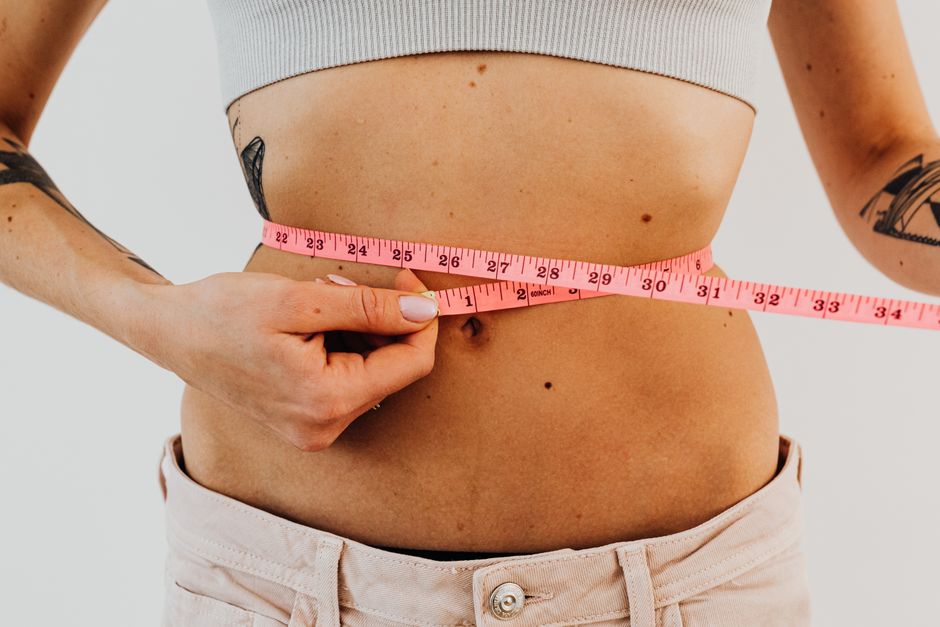
How Do I Need to Lose Belly Fat?
Lose belly fat with sustainable eating, regular activity, and progress tracking beyond the scale; targeted exercises cannot spot-reduce fat.
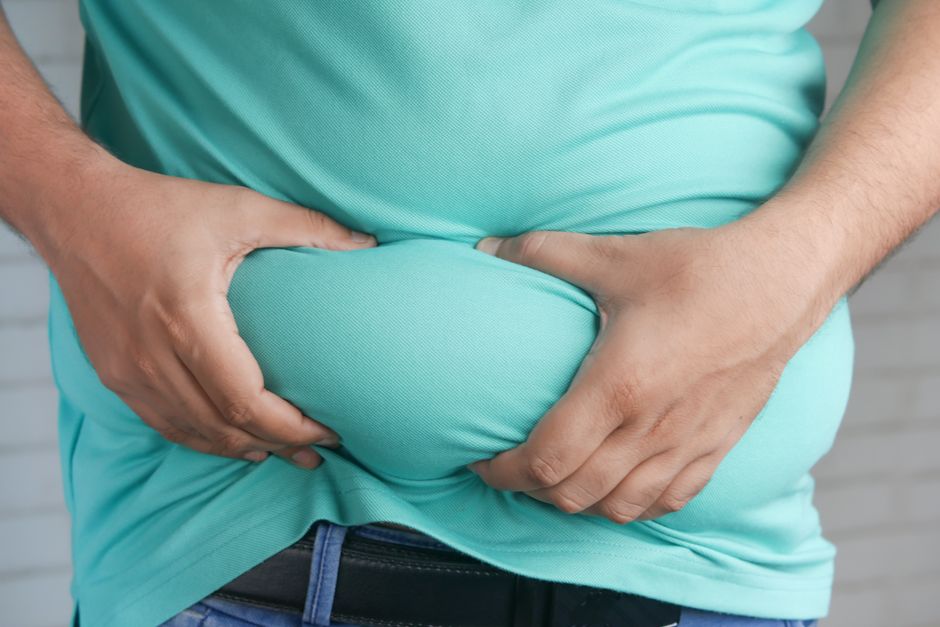
How Can I Lose Belly Fat?
A practical plan for overall fat loss, with realistic guidance on food, walking, strength training, spot reduction, and waist measurements.

Can AIOps Cut Alert Overload and Speed Incident Response?
Evaluate whether AIOps can reduce alert overload, speed incident response, and integrate with your monitoring and ticketing systems.

Choose AI Study Tools That Turn Notes Into Better Revision
Compare AI study tools for explanations, flashcards, and quizzes—and learn a practical way to verify answers before exam revision.