
How Do I Need to Lose Belly Fat?
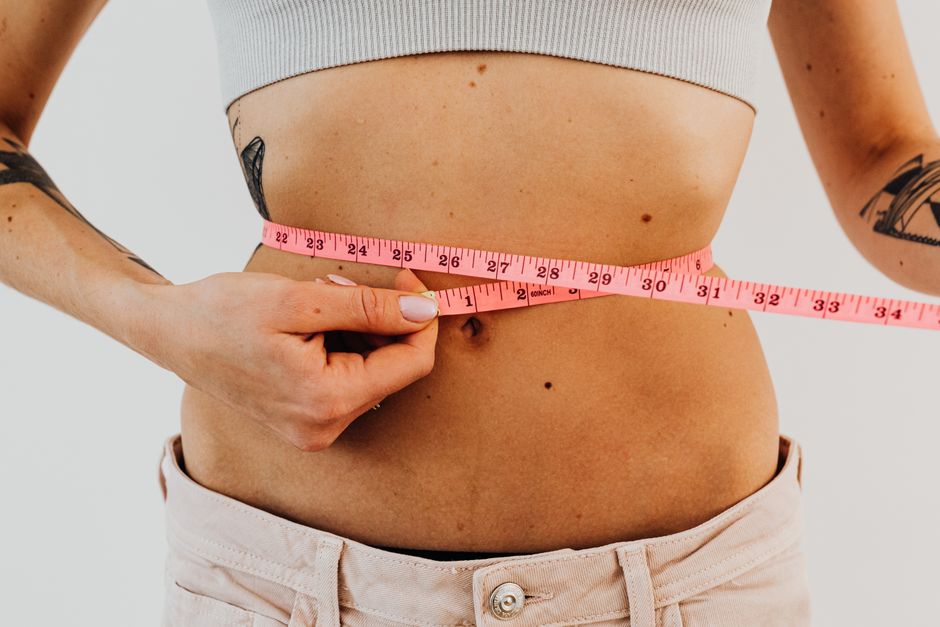
If you need to lose belly fat, focus on sustainable eating habits and regular activity rather than trying to target your stomach with specific exercises. You cannot choose where fat comes off first. Track waist size and other changes over time, and expect progress to vary: gradual weight loss, enough sleep, and a plan you can maintain matter more than a quick fix.
Can I lose fat only from my belly?
No. You cannot choose to lose fat only from your belly, and exercises that work the abdominal muscles do not guarantee fat loss in that area. They can build muscle strength and endurance while the fat covering those muscles remains.
A randomized study of 24 sedentary adults, published in the Journal of Strength and Conditioning Research, tested seven abdominal exercises over six weeks. The exercise group improved curl-up endurance, but the program did not significantly reduce body weight, body-fat percentage, abdominal circumference, or abdominal skinfold measurements. The distinction is practical: train your core for strength, but do not make crunches the whole fat-loss plan.
Abdominal fat can also change at a different pace from fat elsewhere. The available research supports regular exercise for reducing abdominal obesity, but does not provide a timetable for when a particular person will see waist changes. In a 24-week randomized trial of 300 adults with abdominal obesity, three exercise programs reduced waist circumference by about 3.9 to 4.6 centimeters more than the no-exercise control group. The reductions did not significantly differ among the exercise groups, so higher intensity was not required for similar waist reduction in that trial.
For a broader plan, see How Can I Lose Belly Fat? A useful rule is to judge the trend, not one body part on one day.
What should I eat to lose belly fat without following a strict diet?
Choose a balanced eating pattern you can maintain, rather than a restrictive diet built around fast results. The National Institute of Diabetes and Digestive and Kidney Diseases (NIDDK) recommends a healthy eating plan with vegetables, whole fruits, whole grains, and protein sources such as beans, seafood, lean meats, nuts, and soy. Its central point is that the best plan is one you can keep over time.
That leaves room to make changes gradually. The CDC recommends tracking food, activity, and sleep for a few days to see where manageable adjustments fit. Start with a specific change, such as planning a meal around vegetables and a protein source, or replacing a frequent high-sugar choice with something that better fits your plan. This is more useful than banning broad categories of food without a way to sustain the change.
The Dietary Guidelines cited by NIDDK recommend keeping added sugars and saturated fat below 10% of daily calories and sodium below 2,300 milligrams per day. These are general nutrition targets, not a special formula for abdominal fat. They can help shape food choices while the overall pattern remains varied and workable.
Weight loss can slow. NIDDK explains that metabolism slows during weight loss and a smaller body needs fewer calories, which can make continued loss and maintenance harder. A plateau does not prove that the plan has failed; it is a reason to review habits and progress over time, then make a manageable adjustment if needed. The CDC also notes that age, medicines, health conditions, genes, and hormones can affect weight.
Which types of exercise help reduce belly fat?
Combine moderate aerobic activity with muscle-strengthening work across the major muscle groups. CDC and NIDDK guidance recommends at least 150 minutes of moderate aerobic activity each week, plus strength training on at least two days. Walking, cycling, and other activities you can repeat can contribute to the aerobic goal; the core work can support strength without being treated as a way to spot-reduce fat.
If that amount feels like too much at first, begin with a small, specific goal. The CDC gives a 15-minute walk as an example of a short-term starting target. Build from there in a way that fits your schedule. Regularity matters more than choosing the hardest session: the abdominal-obesity trial found similar waist reductions across its exercise programs despite differences in exercise amount and intensity.
Sleep belongs in the plan too. The CDC includes enough sleep and stress management in healthy weight management, and notes that too little sleep can increase hunger and appetite. If progress stalls, review sleep alongside food and activity rather than responding by sharply restricting meals or adding punishing workouts. A plan that disrupts daily life is hard to maintain.
Use a few markers together. The CDC explains that waist circumference provides information about abdominal fat that BMI does not measure. To measure it, stand and place a tape around the middle just above the hip bones; measure just after breathing out. Take measurements under similar conditions and compare them over time rather than treating one reading as a verdict.
| Progress marker | How to use it | What it tells you |
|---|---|---|
| Waist circumference | Measure just above the hip bones after breathing out; compare readings over time. | Tracks waist size, which BMI does not capture. |
| Body weight | Look at the trend rather than a single reading. | Shows overall weight change, not where fat is changing. |
| Habits | Track food, activity, and sleep for a few days when reviewing your plan. | Points to manageable changes and helps explain a plateau. |
| Clothing and daily function | Notice fit and whether regular activity feels more manageable. | Adds context that a scale alone cannot provide. |
The CDC identifies waist measurements above 35 inches for women and 40 inches for men as higher-risk thresholds. These are health-risk reference points, not a measure of personal worth or a guaranteed target for everyone. The CDC also notes that even a 5% reduction in body weight can improve measures such as blood pressure, cholesterol, and blood sugar; the general point is that useful health progress does not depend on dramatic scale changes.
Frequently Asked Questions
Why is my stomach still fat even though I’m losing weight?
Weight loss does not happen evenly across the body, and abdominal exercises do not determine where fat is lost. Your waist can change at a different pace from other areas, while metabolism also slows as weight falls.
How long does it usually take to see changes in belly fat?
There is no reliable timetable for belly-fat changes in these sources. The CDC’s gradual pace of about 1 to 2 pounds per week describes general weight loss, not a promise about when your waist will change.
How can I tell whether my waist is getting smaller if my weight fluctuates?
Measure your waist consistently with a tape just above the hip bones, after breathing out, and compare readings over time. You can also track activity, sleep, and how clothes fit rather than judging progress from a single weigh-in.
Sources
- National Institute of Diabetes and Digestive and Kidney Diseases: Eating & Physical Activity to Lose or Maintain Weight
- Centers for Disease Control and Prevention: Steps for Losing Weight
- Centers for Disease Control and Prevention: Healthy Weight
- Journal of Strength and Conditioning Research via PubMed: Abdominal Exercise and Abdominal Fat
- Annals of Internal Medicine via PubMed: Exercise and Abdominal Obesity

How do I need to lose belly fat fast?
Gradual overall fat loss is safer and more sustainable than crash diets or attempts to target belly fat alone.
How Can I Lose Belly Fat?
A practical plan for overall fat loss, with realistic guidance on food, walking, strength training, spot reduction, and waist measurements.

Compare East Coast Boarding Schools by Cost, Aid, and Fit
Compare East Coast boarding schools by published cost, financial aid, academics, location, and student support.

Are Adult English Classes Free, and How Do You Enroll?
Find free or low-cost adult English classes, understand enrollment and placement, and compare local, online, and flexible schedule options.